Stadium Acoustics Shape Referee Decisions in Soccer Matches
Written by Lars Weber · Aug 8, 2026
Stadium Acoustics Shape Referee Decisions in Soccer Matches
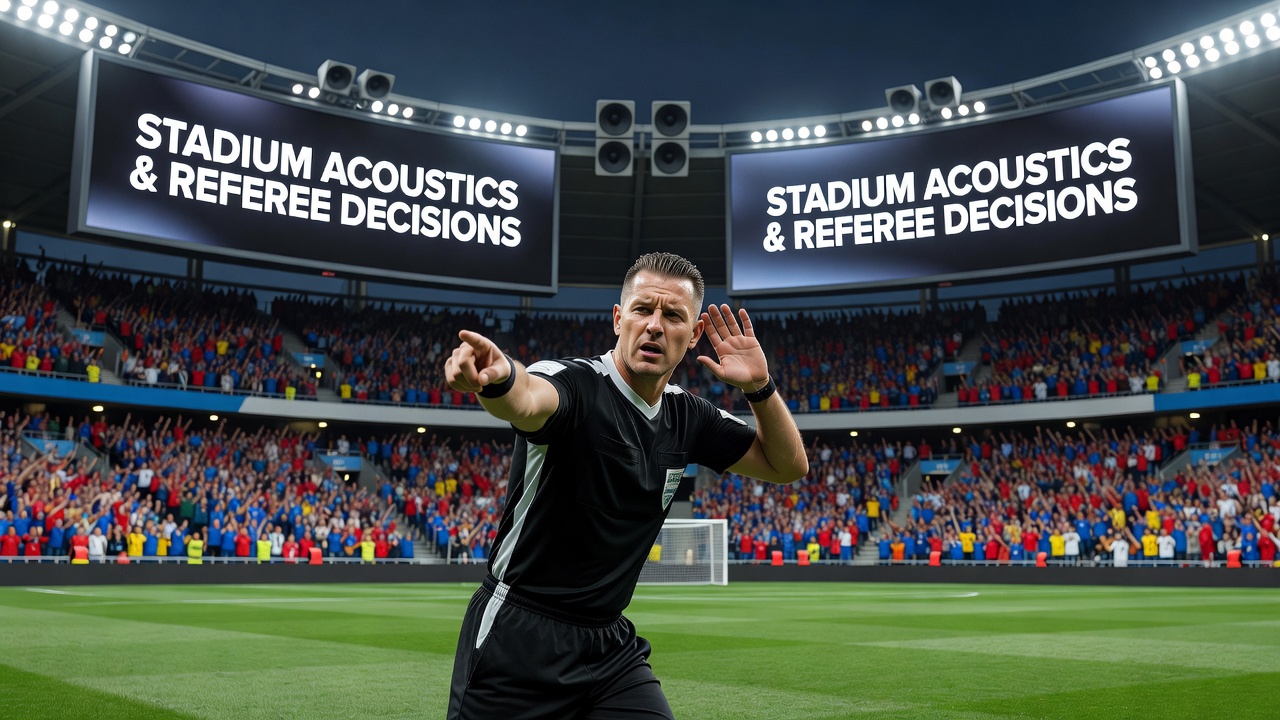
Stadium acoustics influence how referees process sound during live matches, and researchers have documented patterns where crowd noise levels correlate with variations in foul detection and card issuance rates. Data from multiple European leagues shows that venues with reflective surfaces and enclosed designs produce reverberation times exceeding 4 seconds, which can obscure sharp sounds like tackles or whistles from assistant referees.
Acoustic Properties in Modern Soccer Venues
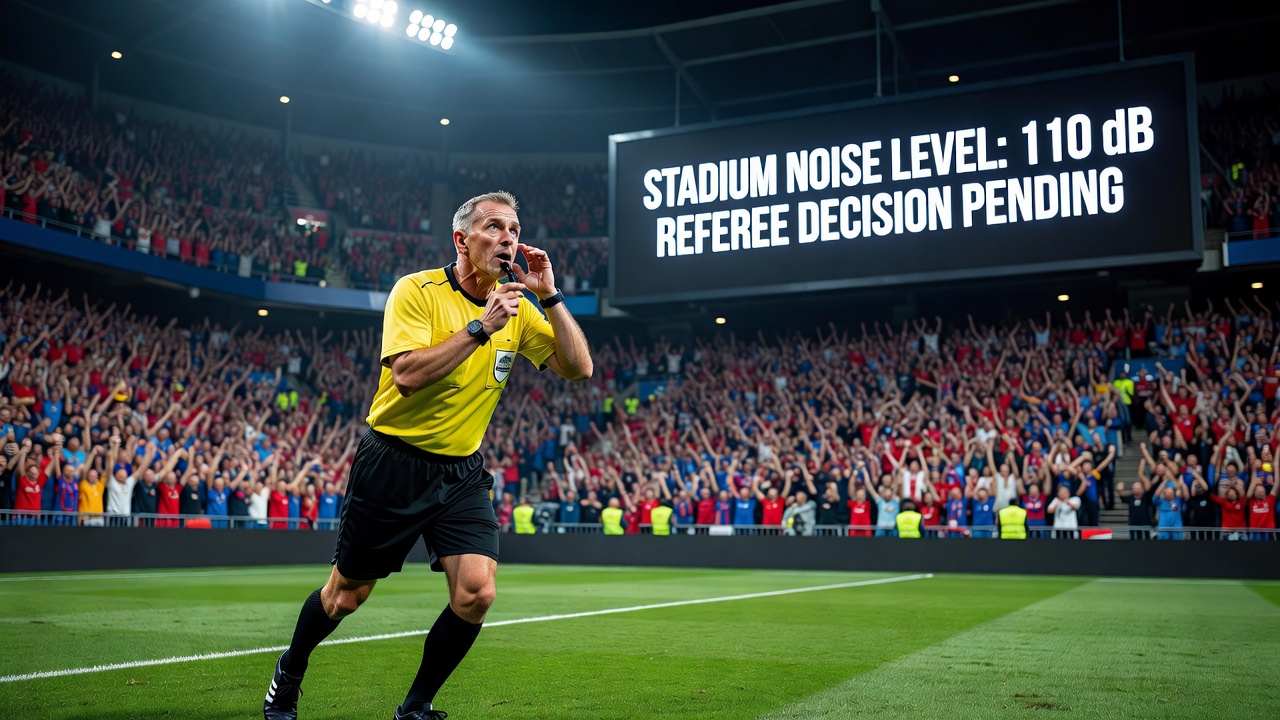
Engineers measure stadium sound fields using decibel mapping and impulse response testing, and these assessments reveal that older concrete structures often amplify low-frequency crowd chants while newer designs incorporate absorbers to reduce echo. Studies conducted by acoustic labs at institutions such as the Technical University of Denmark indicate that peak crowd volumes reach 110 to 115 decibels during high-stakes fixtures, creating masking effects that compete with on-field audio cues referees depend upon for split-second judgments.
Referees train to isolate specific sounds amid background noise, yet field recordings from professional matches demonstrate that sustained cheering can raise the ambient floor by 20 decibels or more, which reduces the clarity of ball impacts or player collisions. Audio analysis from the 2024-2025 season across several leagues found measurable differences in penalty award frequency between open-air stadiums and those with partial roofing, where the latter exhibited higher rates of overturned calls after video review.
Research Findings on Auditory Cue Disruption
Investigators at the University of Queensland published findings in 2025 that tracked referee heart rate and decision latency in controlled sound environments simulating stadium conditions, and results showed delayed responses to simulated fouls when crowd noise exceeded 105 decibels. Similar work from Canadian sports science groups confirmed that auditory masking alters perceived timing of events, particularly for offside and handball assessments that rely on precise audio-visual synchronization.
Match data aggregated by governing bodies further illustrates these trends, with higher error rates documented in venues known for intense supporter acoustics during evening fixtures when atmospheric conditions enhance sound propagation. One analysis of Bundesliga games between 2022 and 2025 revealed that referees issued fewer advantage calls in the loudest sections of certain arenas, prompting adjustments in positioning protocols.
Developments Reported in August 2026
In August 2026 the International Football Association Board released updated guidance on referee training that incorporates acoustic awareness modules, and several federations began piloting earpiece systems designed to filter crowd frequencies while preserving essential game sounds. Preliminary reports from these trials indicate reduced decision variance in test matches held at high-capacity venues in North America and Asia.
Acoustic consultants working with league operators have introduced variable absorption panels that stadium management can adjust between matches, and early measurements suggest these modifications lower peak reverberation without compromising atmosphere. Data collected during the initial deployments shows improved consistency in foul detection metrics when panels remain in active configurations.
Case Examples from Professional Play
Observers tracking Serie A matches noted a cluster of disputed penalty decisions at one Milan venue during the spring 2025 campaign, and post-match audio reviews attributed several of those calls to obscured contact sounds amid sustained terrace chanting. In another instance, referees at an Australian A-League ground adjusted their movement patterns after feedback sessions highlighted how enclosed ends of the stadium altered sound travel times for assistant referee communications.
Coaches and analysts review these incidents through synchronized video and audio logs, which allow them to identify patterns where specific acoustic profiles coincide with higher rates of post-match appeals. Such reviews have led some clubs to request venue-specific briefings for match officials ahead of away fixtures.
Conclusion
Stadium acoustics continue to intersect with referee performance through measurable effects on sound perception and decision timing, and ongoing technical interventions aim to standardize auditory conditions across venues. Research institutions and football authorities maintain collaborative monitoring programs that track these variables season by season, providing data that informs both training protocols and facility upgrades.