Leveraging Circadian Research to Schedule Blackjack Sessions at Peak Cognitive Hours
Written by Freya Braun · Aug 3, 2026
Leveraging Circadian Research to Schedule Blackjack Sessions at Peak Cognitive Hours
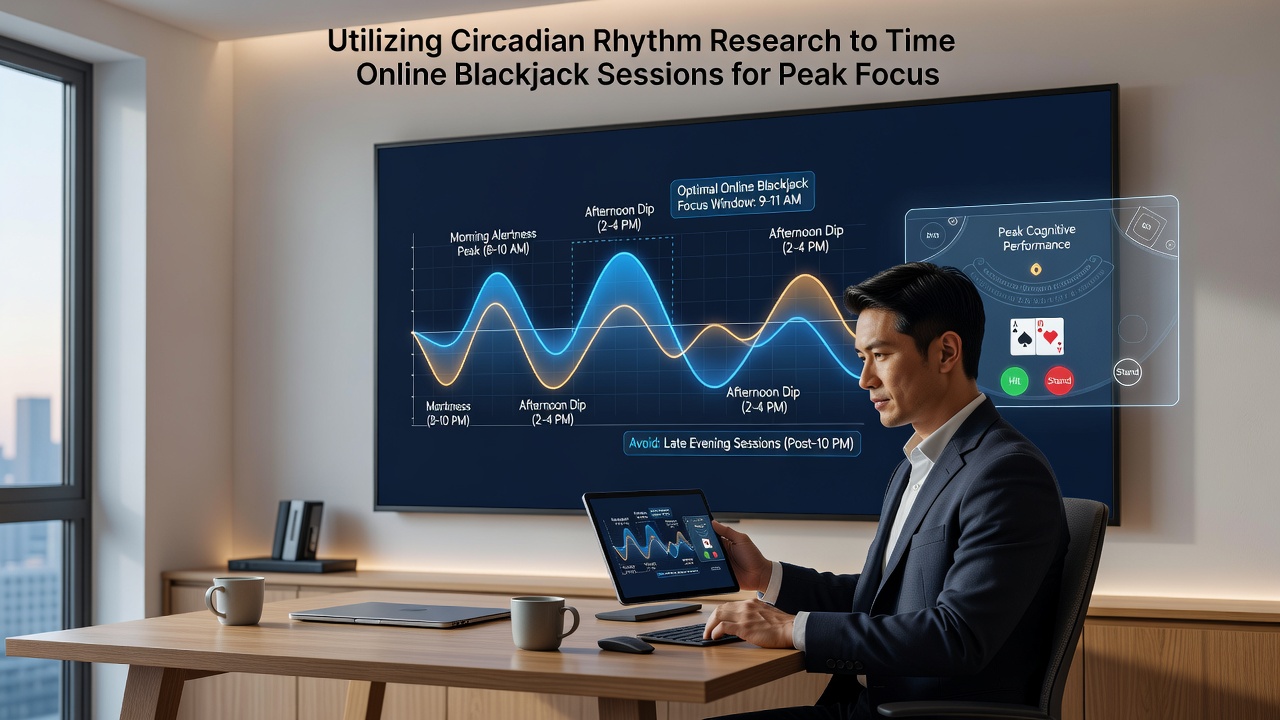
Research on circadian rhythms demonstrates how internal biological clocks regulate alertness, attention, and decision-making across a 24-hour cycle, and these patterns hold direct relevance for activities like online blackjack that demand sustained concentration and quick strategic choices. Studies from institutions such as the National Institutes of Health in the United States reveal that core body temperature, hormone levels, and neural activity fluctuate predictably, creating windows of enhanced cognitive function typically aligned with morning or early evening hours depending on individual chronotypes.
Understanding Circadian Influences on Cognitive Performance
Observers note that peak alertness often occurs several hours after waking, when cortisol levels stabilize and adenosine accumulation remains low, allowing for sharper memory recall and reduced error rates in complex tasks. Data from sleep laboratories in Australia indicate that participants performing simulated decision-making exercises show measurable improvements in accuracy during these aligned periods, with reaction times shortening by up to 15 percent compared to off-peak intervals. Blackjack sessions, which require tracking card probabilities, managing bankroll adjustments, and resisting impulsive bets, benefit from this alignment because lapses in vigilance can compound losses over extended play.
Those who study chronobiology point out that evening types experience delayed peaks, often reaching optimal focus later in the day, while morning-oriented individuals perform best before midday; matching session timing to these personal rhythms reduces the likelihood of fatigue-induced mistakes. Research published by the University of Toronto in Canada further links disrupted circadian phases to diminished prefrontal cortex activity, the region responsible for risk assessment and impulse control, both essential during blackjack rounds.
Applying Timing Strategies to Online Play
Practical application begins with identifying personal chronotype through simple self-assessment tools or wearable sleep trackers that log consistent patterns over several weeks. Once established, players can structure sessions to coincide with these natural highs, such as starting two to three hours after typical wake time for early risers or shifting into late afternoon for night owls. Evidence from European sleep centers shows that brief exposure to natural light shortly after rising helps anchor the circadian phase, potentially extending the duration of high-focus windows by 30 to 60 minutes.
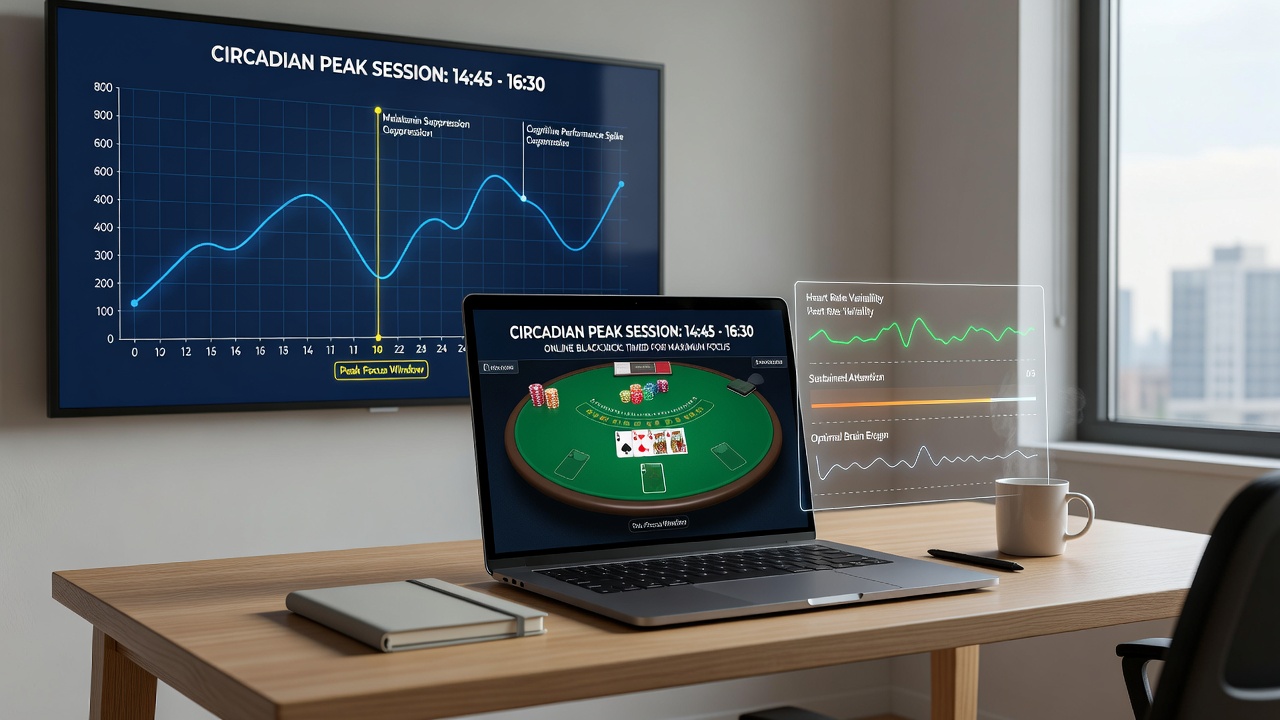
Breaks scheduled at regular intervals further support sustained performance, since prolonged screen exposure without rest can override biological signals and accelerate mental fatigue. Data indicates that sessions limited to 45-60 minutes within peak windows maintain higher decision quality than longer stretches that spill into decline phases. Online platforms often allow flexible start times, giving users the ability to select slots that match individual rhythms rather than forcing play during arbitrary hours.
Supporting Evidence from Performance Studies
Investigators at the University of Melbourne examined shift workers and found measurable declines in probabilistic reasoning tasks when schedules conflicted with circadian preferences, a finding that translates directly to blackjack scenarios where misjudging odds leads to suboptimal plays. Additional findings from Japanese research groups highlight how consistent sleep-wake timing strengthens overall rhythm stability, leading to more reliable access to peak cognitive states across consecutive days. Players who maintain regular bedtimes and avoid abrupt schedule changes therefore position themselves for repeated access to advantageous focus periods.
Monitoring tools such as actigraphy devices provide objective feedback on sleep consistency, allowing adjustments before performance dips occur. Figures from longitudinal studies reveal that even modest improvements in rhythm alignment correlate with better outcomes in attention-based games, though individual variation remains significant and requires personalized tracking rather than universal rules.
Integration with Broader Wellness Factors
Circadian optimization intersects with other variables including meal timing, caffeine intake, and physical activity levels, each of which can shift alertness curves when mismanaged. Researchers emphasize that heavy meals close to session start times may induce postprandial dips, while moderate exercise earlier in the day tends to reinforce stronger rhythm amplitude. Those incorporating these elements alongside timed play report steadier concentration across multiple sessions, according to aggregated data from wellness monitoring programs in Scandinavia.
Seasonal changes also influence rhythms, with shorter daylight hours in winter months sometimes delaying phase onset; awareness of these shifts enables proactive schedule tweaks during August 2026 and similar periods when daylight patterns transition. Consistent routines that account for such variations help maintain performance stability year-round.
Conclusion
Evidence from multiple international research bodies confirms that aligning online blackjack sessions with individual circadian peaks supports sustained attention and clearer decision-making, though success depends on accurate self-assessment and disciplined scheduling. Players who integrate these biological insights with regular monitoring and supportive habits position themselves for more consistent engagement, while those ignoring rhythm patterns encounter predictable declines in focus that affect session outcomes. Ongoing studies continue to refine understanding of these interactions, offering increasingly precise guidance for timing strategies in skill-influenced games.