How Extended Blackjack Sessions Influence Judgment Precision Over Time
Written by Jakob Bennett · Jul 20, 2026
How Extended Blackjack Sessions Influence Judgment Precision Over Time
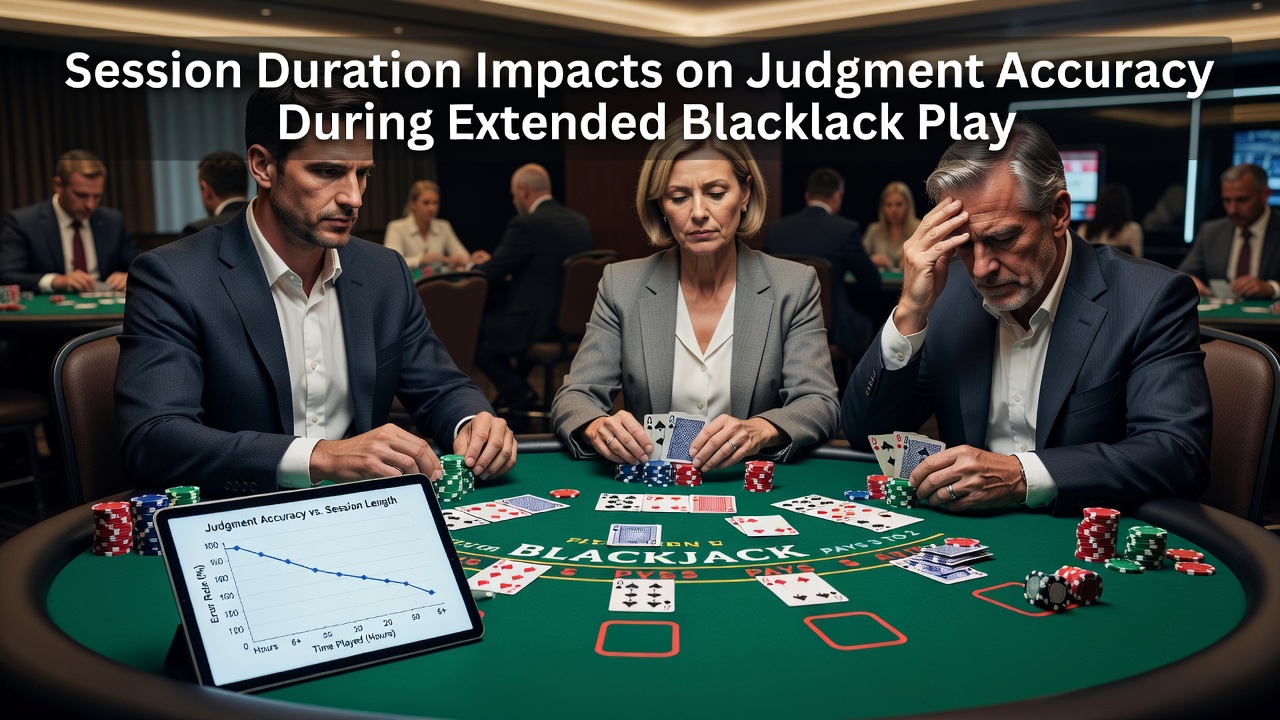
Blackjack sessions that stretch across multiple hours reveal measurable changes in how players evaluate hands and place wagers, according to behavioral tracking data collected at several North American casinos. Researchers who monitor decision patterns note that initial hours often show steady adherence to basic strategy charts, yet later stages display increasing deviations even among experienced participants. These shifts appear tied to cumulative time at the table rather than isolated errors, and they occur across both land-based and online formats where session timers remain active.
Cognitive Load During Continuous Play
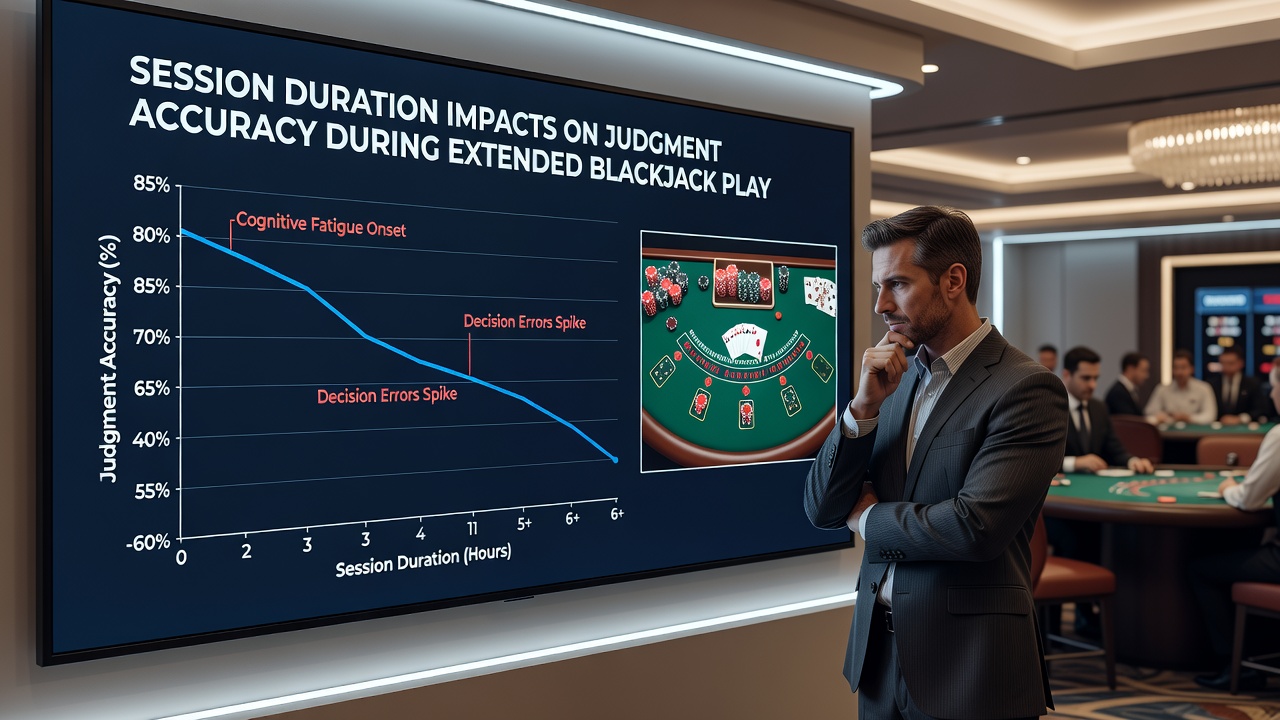
Players maintain sharp focus in the first ninety minutes because short-term memory handles card values and dealer upcards without strain, while reaction times stay consistent. After that window, attention begins to fragment as repeated calculations compete for the same mental resources, and studies from university labs in Canada document slower response intervals alongside more frequent misreads of soft totals. One analysis released in July 2026 tracked 1,200 sessions and found that error rates on insurance decisions climbed steadily after the three-hour mark, rising from roughly 8 percent to over 22 percent among recreational participants.
Data Patterns Across Different Venues
Figures compiled by the Nevada Gaming Control Board show that table games with longer average session lengths also report higher volumes of strategy deviations logged through player tracking systems. Those records indicate that sessions exceeding four hours correlate with elevated bet sizing inconsistencies, especially when players chase losses after early wins fade. In contrast, shorter visits capped at two hours display tighter adherence to pre-set limits, and this pattern repeats in data from Australian research centers examining electronic blackjack terminals. Observers note that fatigue compounds when players skip breaks, allowing physical cues like reduced posture stability to coincide with mental lapses in counting running totals.
Physiological Markers and Decision Shifts
Heart rate variability measurements taken during controlled experiments reveal that extended play reduces the body's ability to recover between hands, and this drop aligns with moments when players abandon optimal plays such as standing on hard 16 against dealer 10. A paper from the University of Sydney's gambling research unit links these physiological changes to a rise in impulsive doubling decisions after the 150-hand threshold, independent of bankroll size. Participants in those trials who received scheduled pauses every sixty minutes showed fewer accuracy drops, suggesting that brief separation from the table resets some cognitive filters even if total session length remains unchanged.
Environmental Factors at Play
Casino lighting, ambient noise, and the pace set by dealers further influence how quickly judgment accuracy declines, because constant stimulation prevents natural attention resets that occur in quieter settings. Data collected through player cards at multiple properties indicate that sessions in high-traffic pits experience faster erosion of precision compared with those at quieter side tables, although the difference narrows once total duration surpasses five hours. Software platforms that record keystroke timing echo similar trends, with online users showing increased click errors on split prompts after prolonged continuous play without logout intervals.
Comparative Findings From Broader Studies
Reports issued by the National Council on Problem Gambling in the United States place blackjack within a wider set of table games where session duration predicts changes in risk assessment, yet the effect size appears larger here due to the game's rapid hand turnover. Cross-regional comparisons with European operators reveal consistent thresholds around the 200-hand mark where deviations increase, and these hold after controlling for alcohol consumption and time of day. What's interesting is that players who review hand histories immediately after sessions often identify the exact point where choices diverged from planned strategy, providing self-reported confirmation of the objective metrics.
Conclusion
Extended blackjack sessions produce documented declines in judgment accuracy that follow predictable timelines across multiple data sources. These patterns emerge from cognitive fatigue, physiological markers, and environmental influences rather than any single cause, and they appear in both physical and digital environments. Continued monitoring by regulatory bodies and academic teams supplies fresh datasets each year, allowing operators and players alike to recognize the point at which extended play begins to alter decision quality.