Holiday Schedules and Shifts in Poker Tournament Participation Across Markets
Written by Avery Franke · May 28, 2026
Holiday Schedules and Shifts in Poker Tournament Participation Across Markets
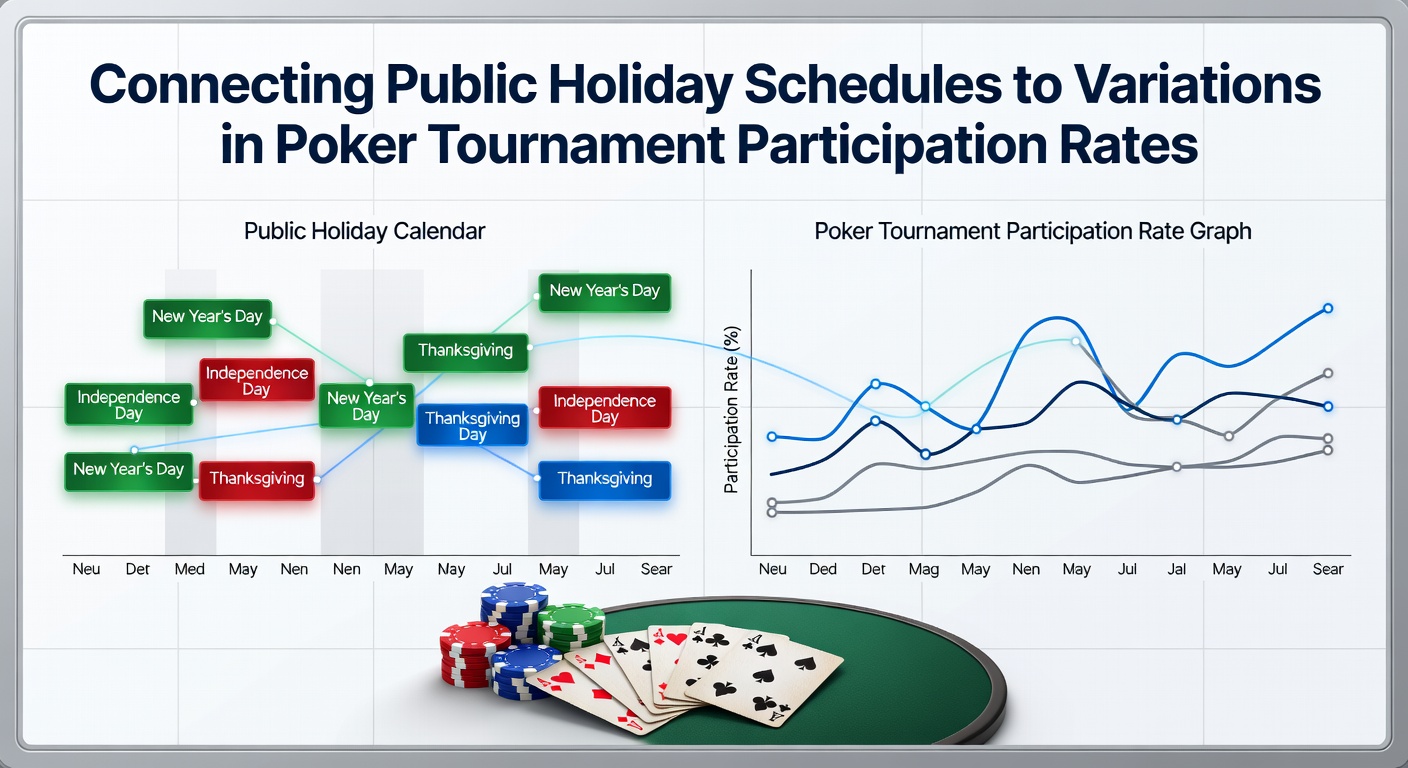
Data from multiple gaming jurisdictions shows that public holiday schedules create measurable fluctuations in poker tournament participation rates, and operators adjust event calendars accordingly to match these patterns. Researchers tracking entry figures across North America and Europe have documented consistent drops during family-oriented holidays such as Christmas and Thanksgiving while noting spikes around certain long weekends that encourage travel and leisure spending.
Patterns in Participation Data
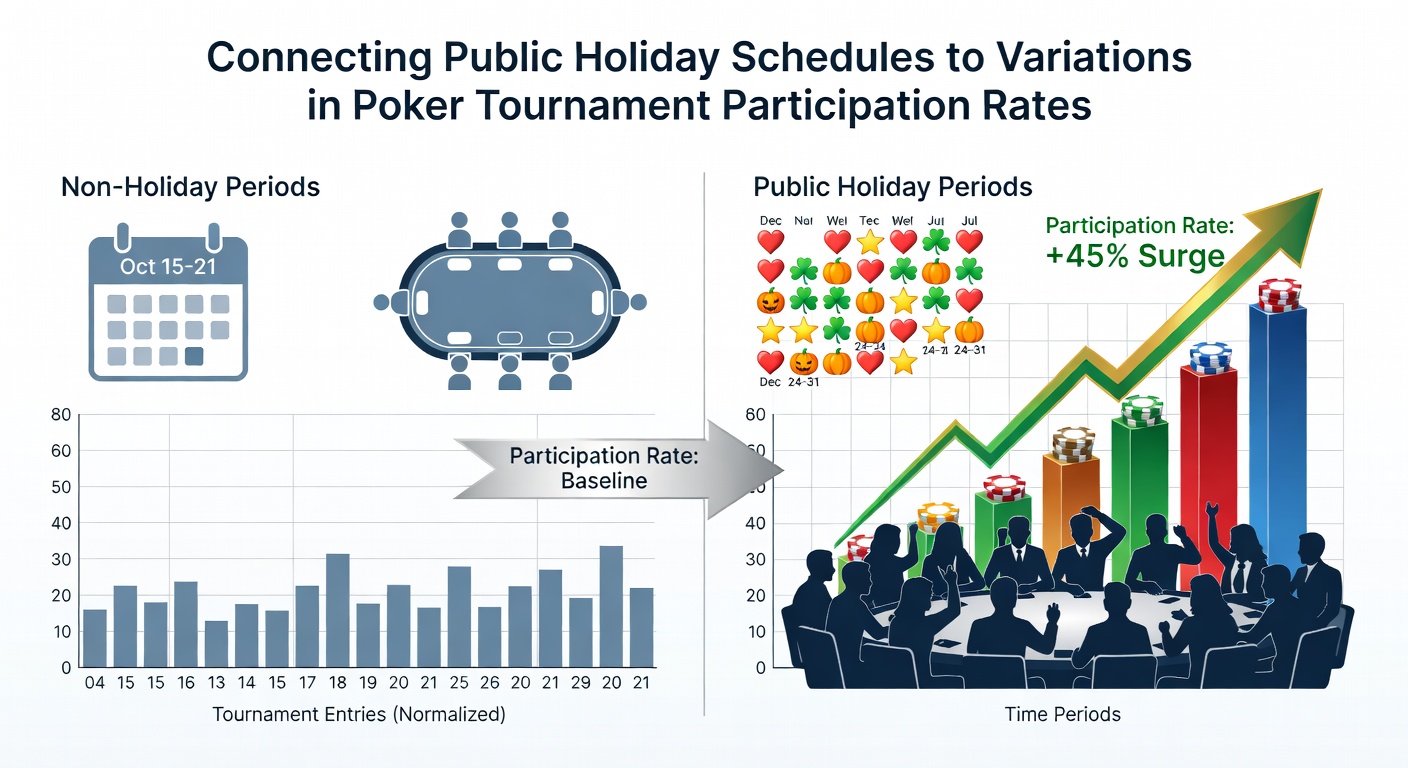
Studies compiled by industry analysts reveal that tournament fields shrink by 15 to 25 percent during major winter holidays because players prioritize family commitments over extended sessions at the tables, yet participation rebounds sharply in the days immediately following those holidays when individuals seek recreational outlets. Observers note similar trends around national days of celebration in various countries where extended closures of workplaces coincide with reduced attendance at poker events.
What's interesting is how operators use historical entry logs to predict these shifts, and they often reduce the number of scheduled tournaments or lower guarantee amounts during expected low periods to maintain profitability without overextending resources. Figures from poker room management systems indicate that events held on the actual holiday date itself draw the smallest crowds while midweek tournaments sandwiched between holiday weekends sometimes attract higher numbers as players take extra days off work.
Regional Differences and Calendar Effects
North American markets demonstrate distinct responses compared to European ones because holiday distributions vary widely, and data collected across casino networks shows that American Thanksgiving produces steeper participation declines than similar periods in Australia where the timing aligns differently with school breaks. Canadian operators report that Victoria Day in May generates modest increases in attendance at regional poker rooms as players combine the long weekend with travel to larger venues.
In May 2026 the placement of Memorial Day falls on the 25th, and preliminary scheduling adjustments already underway at several major properties reflect expectations of elevated turnout during the preceding Friday through Monday stretch. Those who've analyzed multi-year datasets find that such three-day weekends reliably boost participation by roughly 18 percent over baseline weeks because many participants extend their trips into poker-focused getaways.
Operator Strategies and Scheduling Adjustments
Room managers coordinate holiday calendars with tournament structures by moving marquee events away from low-attendance dates and concentrating higher-stakes options on peak periods, and this approach allows them to maximize table utilization while controlling promotional costs. Evidence from venue reports indicates that satellite tournaments feeding into larger festivals often see increased signups when they coincide with school holidays because families plan trips around those dates.
But here's the thing: some jurisdictions experience the opposite effect during summer holidays when outdoor activities compete directly with indoor gaming, and participation rates dip even though more people have time off work. Australian data compiled through industry associations shows that Christmas and New Year periods produce the most pronounced reductions while Easter generates moderate declines that vary by state depending on local racing and sporting calendars.
Broader Influences on Player Behavior
Travel patterns tied to public holidays further complicate participation forecasts because players from distant regions either converge on major poker destinations or stay home with relatives, and network-wide statistics reveal that destination casinos gain entrants during holiday weekends while local rooms lose ground. Research published by academic groups studying leisure economics has linked these movements to airline pricing and hotel availability rather than poker-specific factors alone.
Operators therefore cross-reference holiday schedules with tourism data to refine their event offerings, and they sometimes introduce holiday-themed promotions that offset natural declines by attracting casual participants who would otherwise skip tournaments. Those monitoring long-term trends note that online poker platforms experience different fluctuations because players can participate without traveling, yet even digital events show dips during major family holidays when screen time competes with social obligations.
Conclusion
Comprehensive tracking of entry statistics across multiple years confirms that public holiday schedules exert a predictable influence on poker tournament participation rates, and successful operators integrate these patterns into annual planning cycles. Data compiled from diverse regulatory and industry sources continues to guide adjustments that align event calendars with observed player availability, ensuring resources match actual demand throughout the year.