Behavioral Signals Meet Real-Time Feeds to Sharpen Accumulator Builds in Football and Racing
Written by Lars Weber · May 23, 2026
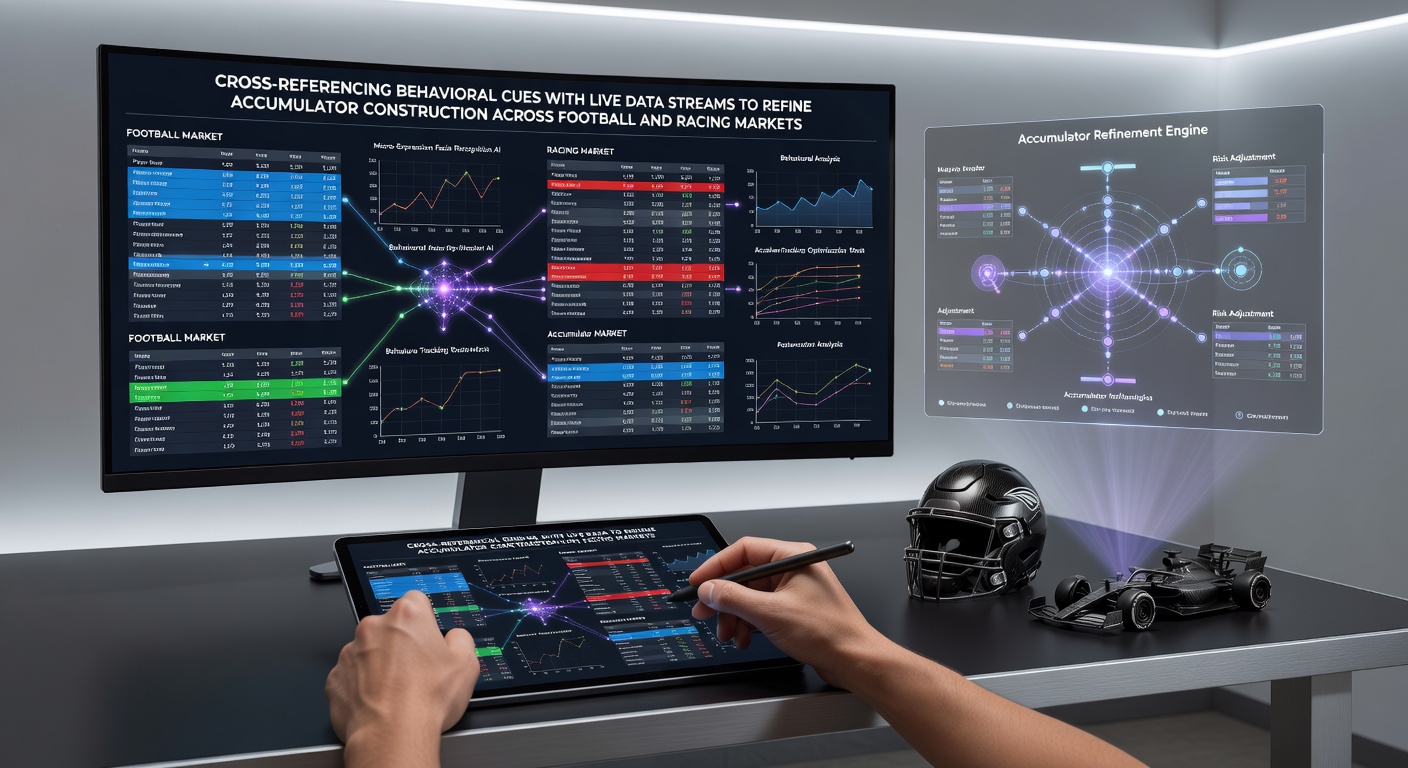
Behavioral Signals Meet Real-Time Feeds to Sharpen Accumulator Builds in Football and Racing
Operators and analysts have expanded their use of behavioral cues alongside live data streams to adjust accumulator selections in football and racing markets, and the approach gained further traction by May 2026 as more platforms adopted integrated monitoring tools. Behavioral cues include patterns such as rapid stake adjustments, shifts in bet timing, and correlations between social sentiment spikes and market movements, while live data streams deliver continuous updates on odds, weather, player availability, and track conditions.
Core Components of the Cross-Referencing Process
Systems collect behavioral indicators from user activity logs and public discussion trends, then align those signals with incoming feeds from stadium sensors, racing timing equipment, and betting exchange transactions. When a sudden increase in late bets on a particular football outcome coincides with an unexpected weather change reported from the venue, algorithms flag the combination for accumulator inclusion or exclusion. In racing markets the same logic applies when jockey switch announcements appear alongside spikes in pre-race discussion volume, prompting reevaluation of multi-race bets.
Application Across Football Markets
Football accumulators often span match result, over/under goals, and player performance props, and cross-referencing helps refine those selections by matching crowd behavior spikes with real-time team news. Observers note that when social volume on a key striker injury rises sharply while live pitch condition data shows heavy rain, systems automatically down-weight related legs in proposed accumulators. This integration occurs within seconds because the platforms pull both data types into a unified dashboard that updates accumulator probability models continuously.
Application Across Racing Markets
Racing accumulators frequently combine win, place, and each-way outcomes across multiple meetings, and analysts cross-reference pace-map updates with behavioral cues such as unusual betting surges on outsiders. When trackside sensors report a change in going and simultaneous discussion trends show heavy support for one horse, the combined signal triggers recalculation of the overall accumulator odds. Those who've studied the method report that timing these adjustments to within minutes of official declarations improves the alignment between projected and realized returns across multi-race tickets.
Technology Enabling the Integration
Modern platforms rely on application programming interfaces that pull behavioral metrics from account management systems and merge them with streaming sources such as official league data providers and racing timing companies. Machine-learning models then score each potential accumulator leg according to the strength of alignment between the two data categories. By May 2026 several suppliers had released updated toolkits that allow smaller operators to implement the same cross-referencing without building custom infrastructure from scratch.
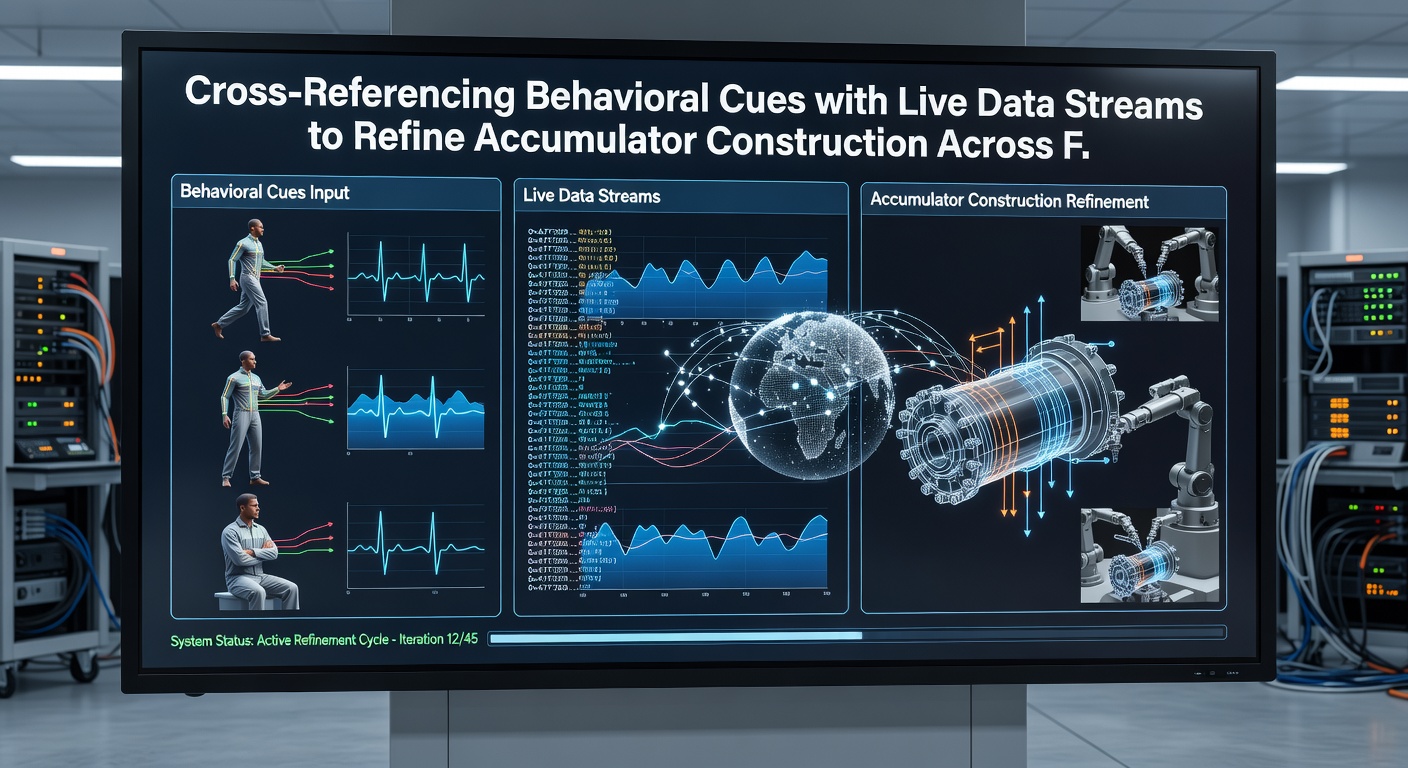
One documented workflow involves a central processing layer that tags behavioral events, such as clustered bets on a specific outcome, then queries the live stream for corroborating or contradicting variables like team line-up changes or wind speed at the track. The resulting score influences whether that leg remains in the accumulator or gets swapped for an alternative selection that shows stronger behavioral-live data harmony.
Regulatory and Industry Context
Industry groups have published guidance on responsible deployment of these combined datasets. Research from the UNLV International Gaming Institute outlines standards for transparent use of behavioral and live-stream data when constructing multi-market bets. A separate report issued by the Victorian Responsible Gambling Foundation examined how similar cross-referencing tools affect transparency for customers placing accumulators across different codes. Both documents emphasize record-keeping requirements so that operators can demonstrate how each data source contributed to final bet recommendations.
Practical Examples Observed in 2026
In one case during the spring racing festival, operators noted that behavioral cues from discussion forums aligned with a sudden shift in live odds after an official track inspection, leading several syndicates to remove a previously favored horse from their multi-race accumulators. In football, midweek European matches saw systems flag a correlation between late team-news discussion spikes and deteriorating pitch reports, prompting automatic substitution of goal-line legs with alternative selections that carried more consistent behavioral and environmental alignment. These adjustments occurred in real time without manual intervention once the models reached operational thresholds.
Conclusion
Cross-referencing behavioral cues with live data streams continues to shape accumulator construction in both football and racing by providing a structured method for aligning multiple information sources. The techniques rely on established data pipelines and scoring models that update continuously, and industry documentation from independent research bodies supports their measured application. As platforms refine these tools through 2026, the focus remains on accurate integration rather than volume of signals processed.