Acoustic Design Elements That Guide Choices at Casino Tables
Written by Avery Franke · Jun 15, 2026
Acoustic Design Elements That Guide Choices at Casino Tables
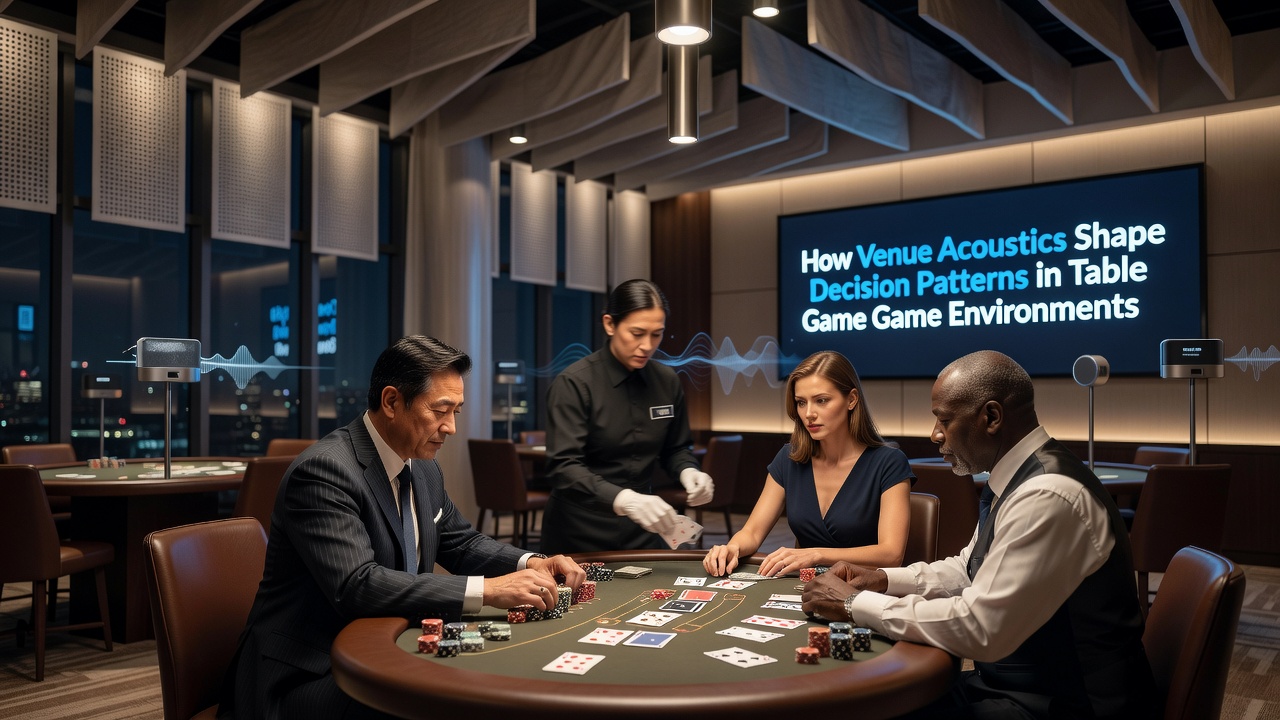
Sound travels through casino floors in patterns that researchers have tracked for decades, and those patterns intersect with the way people weigh bets during blackjack, roulette, and poker sessions. Observers note that background noise levels, music selections, and even the echo from nearby machines create environments where decision speed and risk tolerance shift measurably. Data collected across multiple North American properties show that average decibel ranges between 65 and 85 dB correlate with measurable changes in average wager size and session length.
Engineers who design gaming floors adjust ceiling heights, wall materials, and speaker placement to control how sound moves across table areas. When hard surfaces reflect high-frequency chatter from dealers and players, the resulting clarity can shorten the time between decisions. Softer acoustic panels absorb those frequencies, which lengthens pauses while players recalculate odds or consult strategy cards. Studies conducted by the University of Nevada, Las Vegas gaming research group documented these timing differences during controlled sessions held in 2024.
Sound Frequency Ranges and Player Attention
Low-frequency rumble from slot banks carries across open spaces and blends into a steady drone that many table players describe as background. Mid-range frequencies from nearby conversations and chip clatter sit closer to the human voice spectrum, which draws attention more readily. High-frequency sounds from electronic displays or announcements cut through both layers. Researchers tracking eye movement and bet timing found that exposure to prominent mid-range noise increased the rate of impulsive raises during live poker hands by roughly 12 percent compared with quieter test conditions.
Properties in Atlantic City and several European jurisdictions have tested zoned audio systems that lower volume near high-stakes tables while maintaining livelier soundscapes in lower-limit areas. These adjustments produce measurable differences in average decision latency, according to reports presented at the 2025 International Conference on Gambling and Risk Taking.
Case Examples from Operational Venues
One major property in Nevada reconfigured its table game pit in early 2025 by adding suspended acoustic baffles above the blackjack section. Subsequent internal tracking showed players stayed at tables an average of 14 minutes longer per session while exhibiting smaller swings in bet size. A similar retrofit at a property in Queensland, Australia replaced open ceiling grids with perforated panels that reduced reverberation time from 2.8 seconds to 1.4 seconds. Records from that site indicated a drop in rapid double-down decisions during peak evening hours.
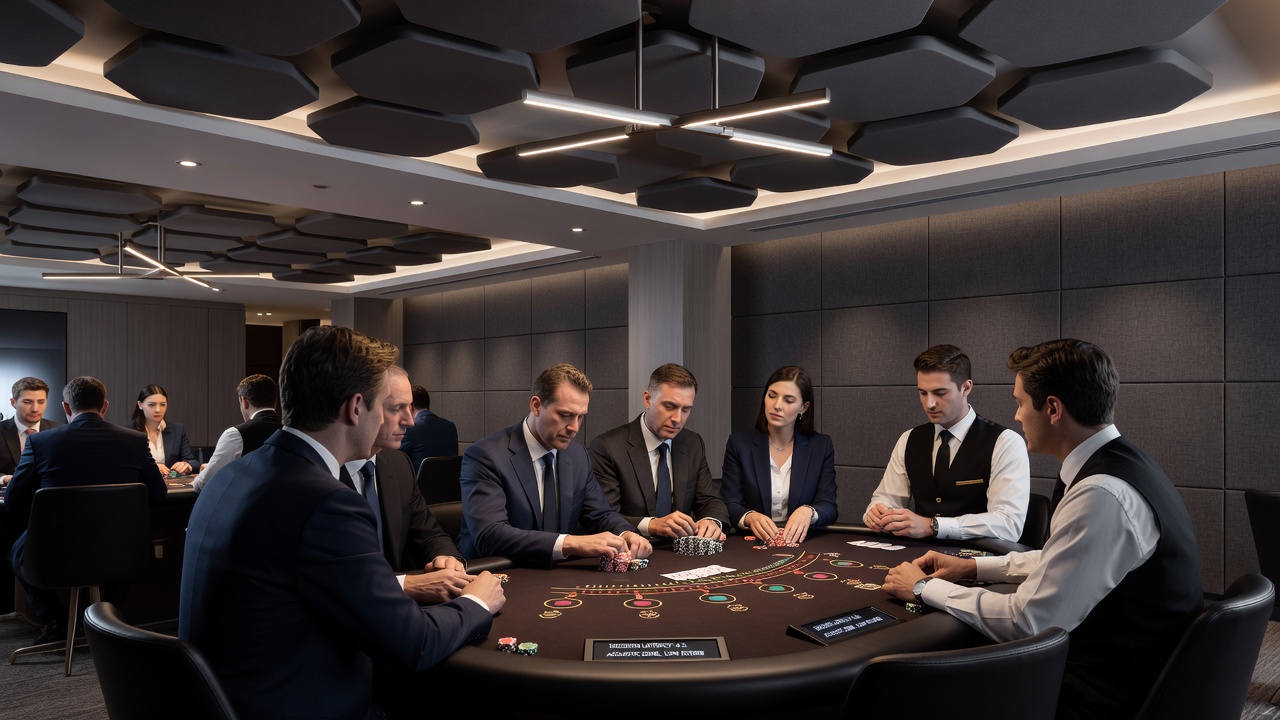
These physical changes do not alter game rules or payout percentages, yet they modify the sensory context in which those rules operate. Players continue to make independent choices, while the acoustic setting supplies consistent cues that influence pacing and focus.
Regulatory and Design Standards Emerging in 2026
Industry groups including the American Gaming Association have circulated draft guidelines that encourage acoustic mapping during new construction or major renovations. The recommendations reference workplace noise exposure limits established by the National Institute for Occupational Safety and Health while adding considerations specific to decision environments. In June 2026, several Canadian provincial regulators plan to review preliminary data from pilot sites that implemented variable sound masking near table games. Those findings will feed into updated design criteria scheduled for release later that year.
Acoustic consultants now work alongside gaming compliance teams to document how specific frequency bands interact with surveillance microphone performance and dealer communication clarity. Clear audio channels between dealers and supervisors remain essential for game integrity, so any sound-dampening treatment must preserve those pathways.
Measurement Techniques and Data Collection
Modern monitoring uses calibrated meters placed at seated player height combined with wearable devices that record individual exposure during play. Aggregated datasets reveal correlations between cumulative sound dose and changes in betting rhythm, although causation remains under active study. Research teams at institutions in both the United States and Australia continue to refine protocols that isolate acoustic variables from lighting, temperature, and crowding effects.
Operators receive quarterly summaries that compare acoustic profiles across different table sections, allowing incremental adjustments without full redesigns. These reports also track compliance with local occupational health standards while noting any observed shifts in table-game hold percentages that coincide with acoustic modifications.
Conclusion
Venue acoustics form one component within a larger set of environmental factors that shape how people interact with table games. Documented adjustments in sound reflection, frequency balance, and overall volume produce consistent patterns in decision timing and wager distribution across multiple jurisdictions. As measurement tools improve and regulatory bodies incorporate acoustic considerations into design reviews, operators gain additional data points for optimizing floor layouts. The relationships between sound and choice remain measurable, and ongoing research continues to refine understanding of those connections without altering the fundamental rules of the games themselves.